Fast Fixes for Awkward Layouts With Accent Furniture
Posted by Daniel on 26th Dec 2025
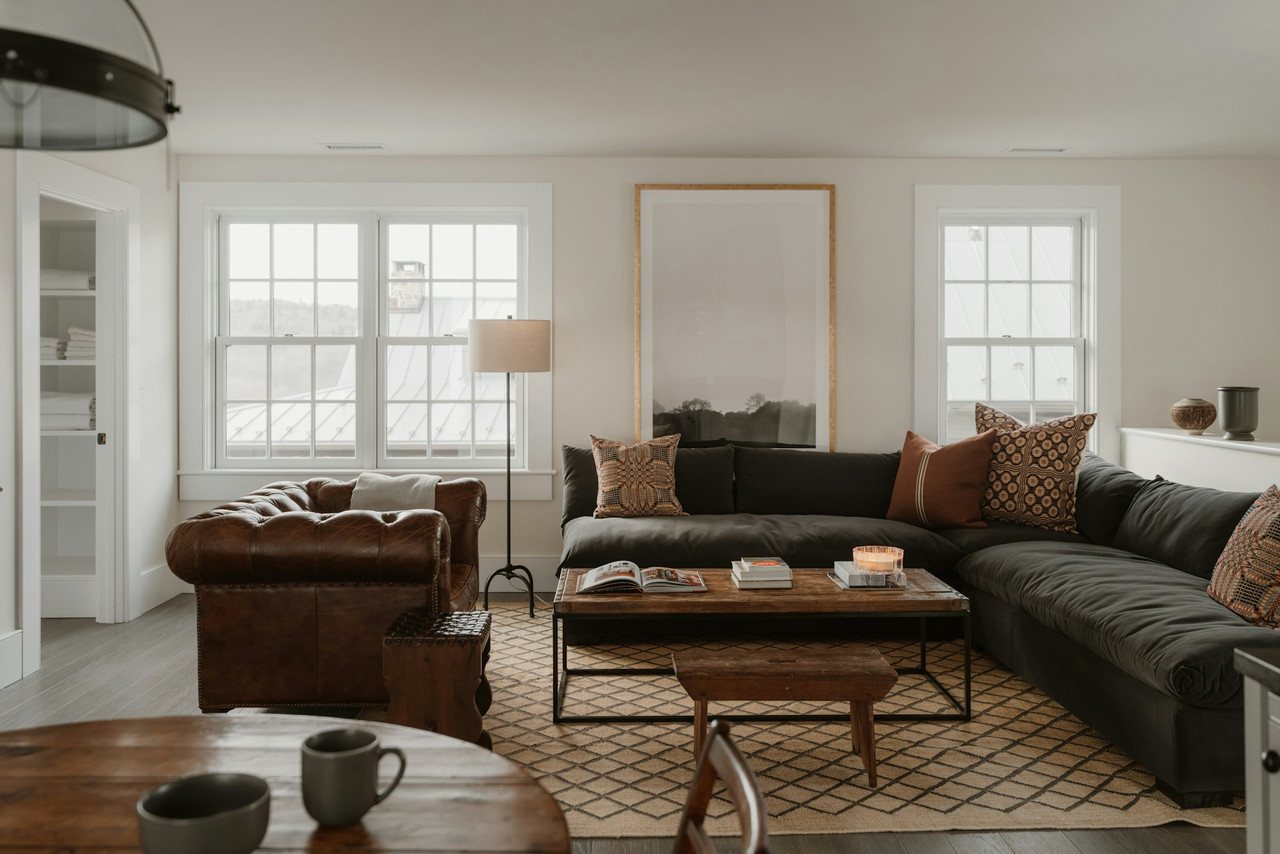
Some rooms just don’t make sense at first. Maybe it’s a long narrow space with one too many doorways, an oddly placed window, or just a layout that never quite feels right. Even when you have the main pieces in place, something can still feel off. That’s where accent living room furniture comes in. These pieces aren’t just for style—they can fix layout problems without needing to move walls.
With colder weather keeping more people indoors after the holidays, it makes sense to bring comfort and balance into every room. Accent chairs, side tables, benches, and shelves can fill awkward corners and give purpose to empty spots. A little shift here and there, or a well-placed chair, can change how a room feels day to night.
Use Corners that Feel “Off”
It’s easy to ignore a weird corner, especially when it doesn’t seem big enough to serve a purpose. But small furniture can transform these areas into something useful without making the room feel crowded. One of the simplest changes is placing an armless accent chair or a small round table in that empty spot. Now it becomes a reading nook, a space to chat, or even a quiet morning coffee spot.
Another idea is to add a tall and narrow bookcase. This pulls the eye upward and helps soften the edges of boxy room layouts. Corners often feel harsh when they’re left bare, but vertical furniture can balance that out without needing a lot of floor space.
If lighting feels tricky in those areas, tall floor lamps with slim bases can do the trick. They fill vertical space, cast a warm glow, and don’t compete with bigger pieces. You get light, shape, and a reason to keep that corner part of your everyday space.
Fill the Gaps Between Seating Areas
Some living rooms end up with small gaps that feel too empty to ignore but too tight to fit something large. These little in-between zones are perfect spots for accent living room furniture. A soft bench, a nesting table, or a compact stool can work wonders. They offer added function and help link bigger pieces like sectionals and sofas together visually.
In open concept spaces, these small additions can help define separate zones. Console tables behind a sofa give the back of the seating area purpose while also helping things look finished from all angles. It helps ground the furniture, especially if it’s floating in the middle of a larger room.
A well-placed side table with an interesting shape or carved detail can do more than just hold a drink. It becomes a visual anchor for the armchair next to it. Think of it like punctuation—small but necessary for everything around it to make sense.
Make Weird Walls Work for You
Every home has at least one wall that just doesn’t behave. Maybe it’s too short to fit a cabinet or has a baseboard heater halfway down. That doesn’t mean it can’t be useful. Try using vertical sets of artwork to expand the visual height of the wall. Hanging three smaller frames stacked from top to bottom gives the feel of one tall piece without taking up much width.
Slim wall shelves might be the best option when floor space won’t allow bulkier furniture. These can hold plants, small books, or favorite objects, and they pull attention to the softer pieces of your space. When walls are oddly shaped or broken up by slants or windows, texture becomes key. A carved wood bench or a handwoven stool can distract just enough. These pieces don’t hide the wall completely—they just shift the focus.
One great way to try out furniture here is to place something light, like a cane or metal accent table, against the space at an angle. If it feels good even temporarily, it’s likely a solid fit long term.
Break Up Long Rooms with Function
Long rooms have their own struggles. If everything is pushed against the walls, the center often feels like wasted space. Or worse, you can end up yelling across the room during conversations because the layout spreads people too far apart. Accent furniture helps cut that stretch into smaller, cozy areas that serve different purposes.
Start by adding something functional, like a soft storage bench a third of the way into the room. That break gives the eye a reason to pause and also offers a spot to sit, rest a tray, or stash blankets. If privacy or visual break is the goal, a standing screen or freestanding bookcase can act like a soft divider without closing off the space.
In some rooms, it works well to float two small chairs with a round table between them in the center zone. It gives the space somewhere to land that’s not just the main seating area or the far wall. This trick is especially helpful when you’re looking to make the space work as both living and lounge without turning it into a hallway.
Find What Works and Feels Right
Some spaces just don’t want to follow the rules—and that’s perfectly fine. Fighting the layout usually makes the room feel more awkward, not less. Sometimes, the best thing to do is work with the odd lines and odd angles, using accent pieces to fill the space in ways that feel more inviting.
Accent living room furniture gives flexibility. It brings comfort and style, while helping every square foot serve a purpose. Whether it's stocking an unused corner with a cozy chair or using a table to pull furniture together visually, these pieces make a big difference without big changes.
Think about how you move through the room and what you wish you could do more easily—read? rest? set down a mug? Then, add or shift a piece to make that action more natural. That’s how these small furnishings fix the space fast, just by working with what you already have and making it all feel a little more like home.
When a room feels tricky or tight, the right pieces can make a big difference. Our collection of accent living room furniture brings comfort and flexibility to spaces that need smarter solutions. At Zin Home, we focus on styles that feel intentional and usable so each piece fits naturally into everyday life.